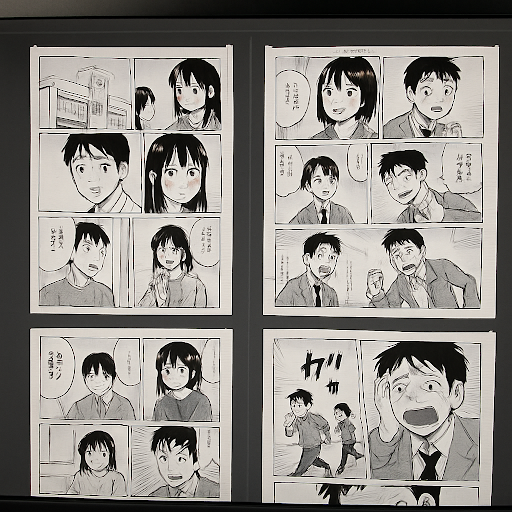
How to Translate Raw Manga Files Easily (Beginner Guide)
Translating raw manga files can seem daunting for beginners. But with the right guidance, it becomes manageable and rewarding.
Manga, a beloved art form, captivates readers worldwide. Translating it allows fans to enjoy stories in their native language. This guide will walk you through the process of manga translation. You'll learn about essential tools and techniques.
Understanding raw manga files is the first step. Knowing where to find them is equally important. By the end, you'll have the skills to translate manga effectively. Let's dive into the world of manga translation together!
What Are Raw Manga Files and Where to Find Them?
Raw manga files are original, untranslated versions of manga. They're usually in Japanese and contain high-resolution scans. These files capture every detail of the artwork and text.
Finding raw manga files requires visiting specific websites. However, respect for copyright is crucial when accessing these resources. Engaging in piracy can have legal consequences.
Popular Places to Find Raw Manga:
- Japan-specific manga websites
- Online manga forums
- Specialized manga sharing platforms
Note: Always prioritize legitimate raw manga sites. This ensures that you support the creators behind the work.
Essential Tools and Software for Manga Translation
Translating raw manga requires specific tools and software to ensure a smooth process. These tools help capture and convert text accurately, making the translation process much easier for beginners.
OCR (Optical Character Recognition) software is a must-have. It extracts Japanese text from images, converting it into editable text. This allows for more accurate translations.
Essential Tools Checklist:
- OCR software for text extraction
- Translation software for language conversion
- Image editing software for text placement
- Online dictionaries for understanding nuances
Moreover, having quality image editing software can enhance the visual quality of your translated manga. This helps in maintaining the original art style while replacing the text. Finally, online dictionaries and translation communities provide valuable insights and corrections. They're useful for translating difficult words or phrases.
Step-by-Step Guide: Translating Raw Manga Files
- Obtain raw manga from legal sources: Start by gathering your raw manga files from reputable sources.
- Use OCR to extract text: Use OCR software to convert image-based Japanese text into a form that you can edit easily.
- Translate the text accurately: Proceed to translate the extracted text using translation software or manually. Ensure that you understand cultural nuances and idioms for more authentic translations.
- Edit images to insert translated text: Use image editing software to replace the original text in manga panels. Maintaining proper font and style is crucial to match the original work’s tone.
Tips for Better Outcomes:
- Pay attention to character expressions and tones.
- Double-check translations for accuracy.
- Seek feedback from other translators.
Tips for Accurate and Natural Manga Translation
Achieving accuracy in manga translation requires attention to detail.
- Understand Context: Begin by thoroughly understanding the context and characters. This aids in maintaining the original tone and style.
- Cultural Nuances: Consider the cultural nuances present in the manga. This ensures that idiomatic expressions translate effectively.
- Consistency: Consistency is crucial, so maintaining a glossary of terms helps keep translations uniform.
Overcoming Common Challenges
Translating manga comes with unique hurdles.
- Language Barriers: Cultural differences can obscure meaning. Addressing these requires deepening your understanding of Japanese culture.
- Time Management: Prioritize tasks and set realistic deadlines to maintain a steady workflow.
- Collaboration: Join online forums or translator groups to exchange tips